Preparation & Safety

Equip Yourself for the Ascent

The mountains reward those who arrive ready. Understand the physical demands, review our trusted gear checklists, and learn the safety protocols that guide every step of our routes.

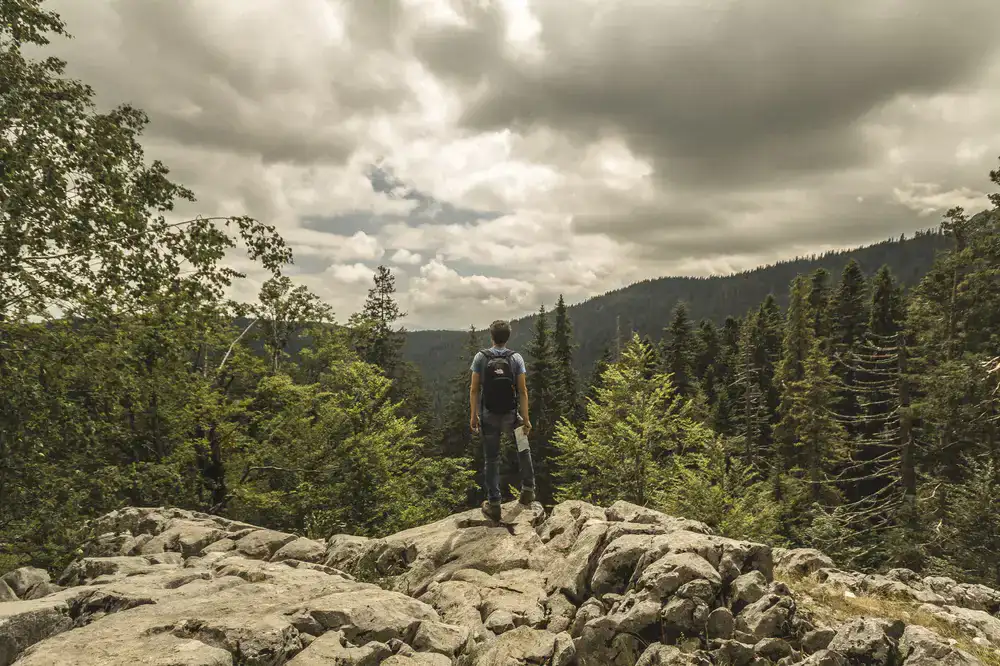
Hiker organizing gear on a rocky outcrop
Physical Demands

Know Your Baseline

Terrain severity dictates the required endurance. We categorize our excursions into three baseline fitness thresholds to ensure pacing remains safe and manageable for the entire group.

I.

Valley Trails

Suitable for active beginners. Expect 3 to 4 hours of steady movement over rolling terrain. Cardiovascular exertion is moderate, with frequent interpretive breaks.

  • Comfortable carrying a 5kg daypack
  • Capable of sustained walking
Most Common
II.

Ridge Ascents

Designed for intermediate hikers. Involves steep inclines and up to 6 hours of effort. Footing may be uneven, requiring good balance and joint stability.

  • Regular cardiovascular exercise habit
  • Comfortable with minor scrambles
III.

Summit Push

Rigorous, full-day commitments exceeding 8 hours. High altitude exposure, demanding sustained physical exertion and mental resilience.

  • Excellent endurance and stamina
  • Prior alpine experience strongly advised
Equipment Core

The Master Checklist

Weather systems change rapidly at elevation. This non-negotiable packing list ensures you remain warm, hydrated, and protected regardless of atmospheric shifts.

Need to rent gear?

We maintain a limited supply of high-grade trekking poles, crampons, and reinforced daypacks. Reserve them during your booking process.

Proceed to Booking

Mandatory Wear

  • Sturdy Hiking Boots Over-ankle support with deep lug treads.
  • Waterproof Shell Breathable jacket (Gore-Tex or equivalent).
  • Insulating Mid-Layer Fleece or synthetic down. No cotton.
  • Trekking Trousers Articulated knees, wind-resistant fabric.

Pack Contents

  • Hydration System Minimum 2 liters capacity per person.
  • Dense Nutrition Energy bars, trail mix, or packed lunch.
  • UV Protection Category 3+ sunglasses and high-SPF block.
  • Personal First-Aid Blister care and personal medications.
Risk Management

Guided by Expertise

The terrain demands respect. Our approach to safety is methodical, built on years of alpine operation. Before any departure, our lead guides analyze micro-climate forecasts, assessing wind shear, thermal drops, and precipitation risks on the designated route.

During the hike, we maintain a strict communications protocol. Guides are equipped with satellite transceivers and comprehensive trauma kits, ensuring rapid response capability even in cellular dead zones. We pace the group dynamically, preventing exhaustion and adjusting our objective if environmental factors deteriorate.

Certified Mountain Professionals Trained in high-altitude emergency response.
Guide checking map and weather conditions on a ridge
Direct Support

Still Refining Your Setup?

Uncertain about your boot tread or layered clothing choices? Send us your questions. Proper preparation makes the difference between enduring a hike and truly experiencing it.